

Choosing your Neverrift faction starts with a simple question: what kind of decisions do you enjoy making? If you like flexible positioning, start with the Outcast. If you prefer a mix of attacking power and movement, try the Free Tribes. For effect-driven play, consider the Royal Empire or the Sworn. If powerful attacks and resource management appeal to you, take a closer look at the Verdant Pact.
All five factions play toward the same goal: controlling more creatures than your opponent when the battleground is full. Their different strengths give you different ways to get there. This guide compares the broad faction profiles in the Neverrift rulebook and helps you choose a starting point for your next deck.
Meet the five Neverrift factions



How factions shape your deck
Your Tamer determines your deck's faction. You build around cards from that faction and neutral cards, while your Tamer's passive and active effects help define your plan. Two decks from the same faction can still feel different because their Tamers and card choices differ.
The comparisons below describe faction tendencies. Always read the actual cards you plan to play: a movement-focused faction does not make every creature mobile, and an attack-focused faction still needs careful positioning.
Cards are a resource in Neverrift; there is no mana system. In this guide, supplies refers to keeping useful cards available for your next plays.
The Free Tribes: attack and movement
A good match if: you enjoy putting your opponent under pressure while keeping your positioning flexible.
The Free Tribes combine strong attacking potential with strong movement in the rulebook's faction profile. Their strength stays relatively consistent throughout the game, making them an appealing starting point if you want an active playstyle without building your whole plan around one particular phase.
Their nomadic identity also gives you a clear fantasy to build around: resilient clans and bestial companions who value strength and freedom.
Try this approach: look for attacks that improve your control of the battleground, then check how your movement options can support the next turn. A powerful creature still needs the right angle of attack.
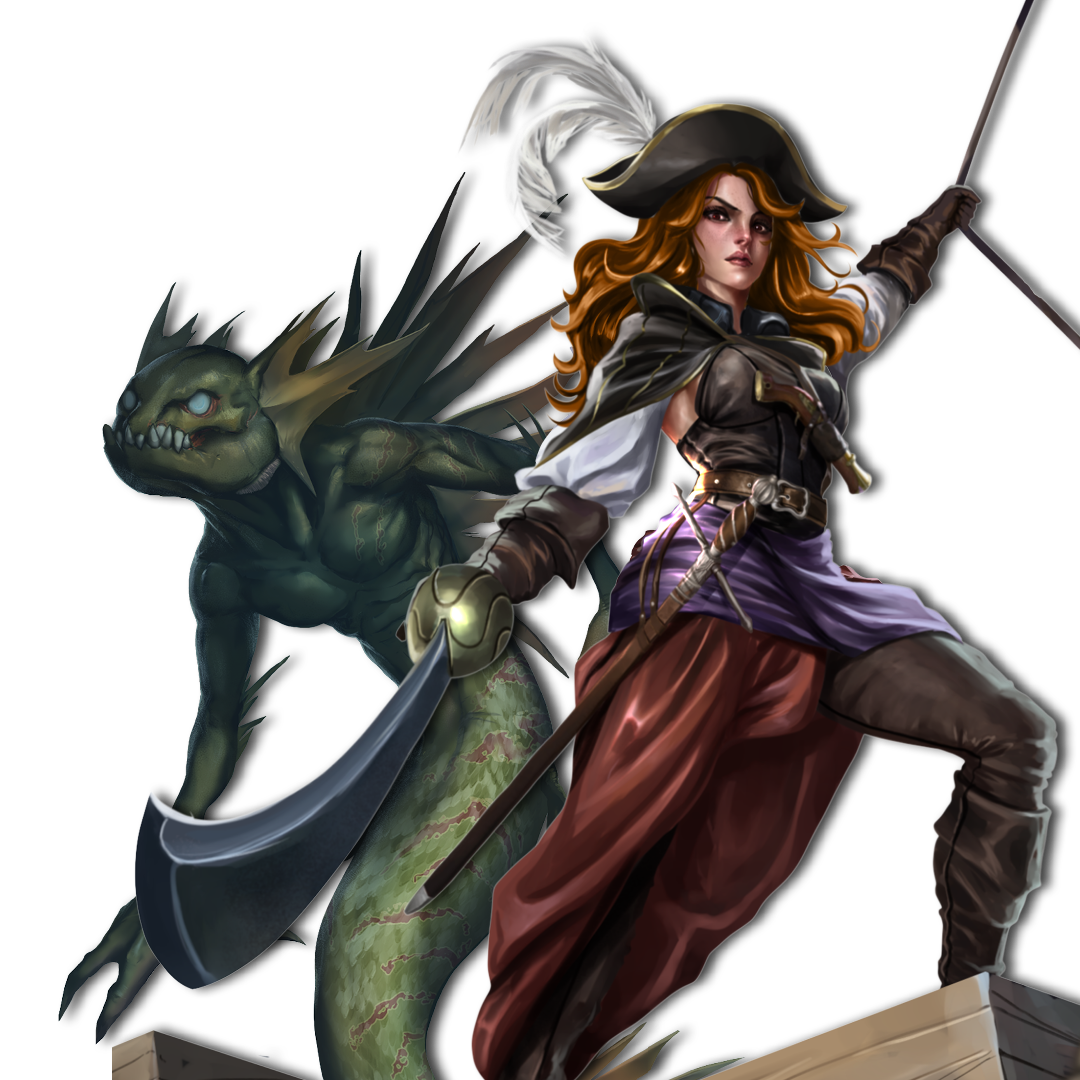
The Outcast: mobility and flexible positioning
A good match if: you enjoy changing positions, finding new angles and adapting to your opponent's board.
The Outcast have the strongest movement profile of the five factions in the rulebook's comparison. Their broad profile favors the beginning and middle of the game. This makes them worth exploring if you find positioning more satisfying than relying on raw attack values alone.
In the lore, the Outcast are an alliance of aquatic creatures and half-breeds, bound to the waters and shaped by survival and ingenuity.
Try this approach: compare the board before and after a movement effect. Which creatures become exposed, where could a future attack come from, and what might your opponent do in reply? Movement alone does not trigger an attack unless a card effect says otherwise.
The Royal Empire: effects and careful timing
A good match if: you enjoy making deliberate plays and using effects at the right moment.
The Royal Empire's faction profile emphasizes effects more than movement, with particular strengths at the beginning and end of a game. If you like planning an opening and keeping useful options for the final turns, this is a faction to investigate.
Its disciplined military identity reflects its place in the story: an organized empire determined to restore order and oppose the Rift.
Try this approach: before using an important effect, compare its immediate benefit with what it could achieve later. Your Tamer and the effects in your deck should support a clear plan for controlling creatures.
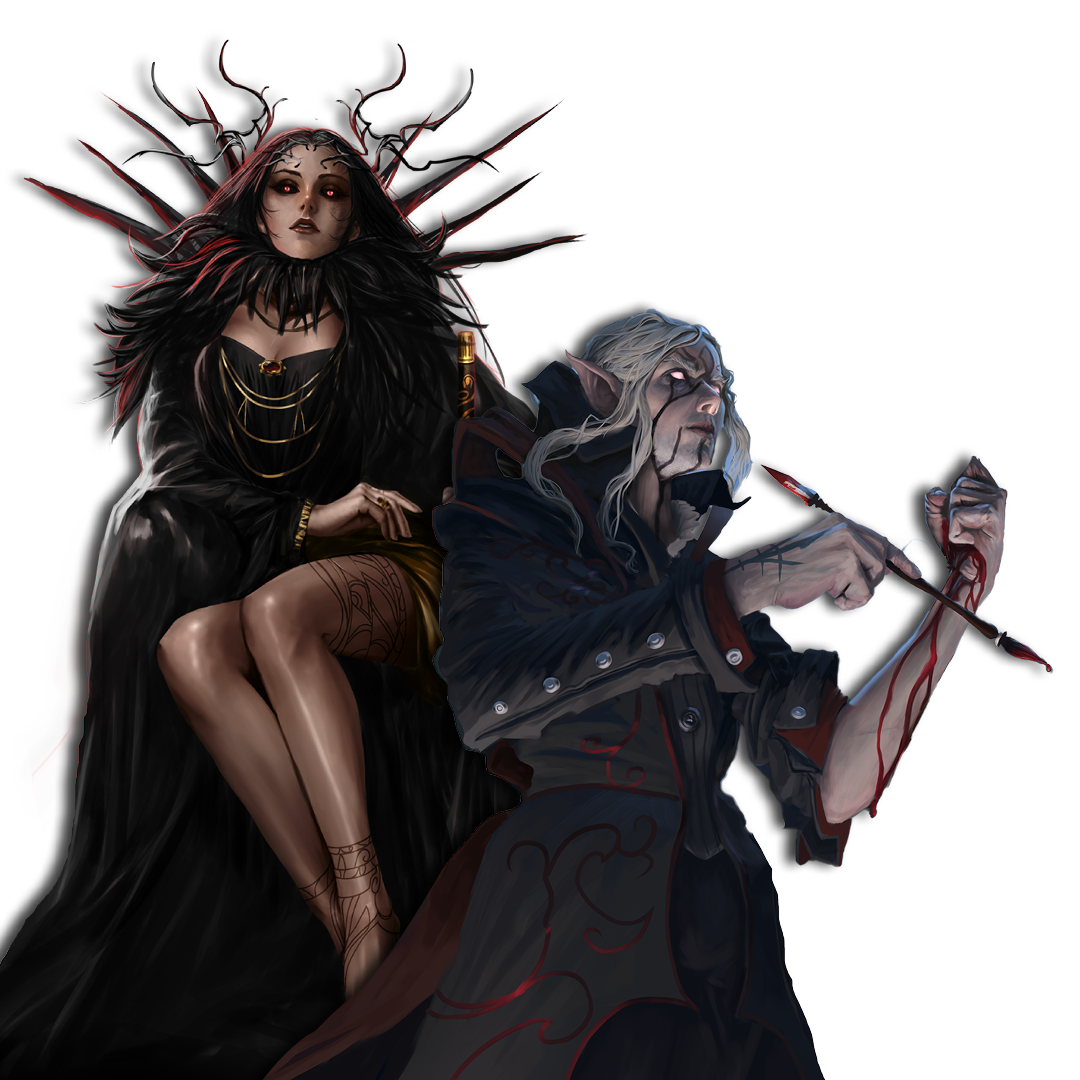
The Sworn: powerful effects and endgame planning
A good match if: you enjoy effect-driven decisions and preparing for the final stage of a game.
The Sworn have the strongest effects profile and the lowest movement profile in the rulebook's comparison. Their broad strength is concentrated toward the end of the game. That combination makes them appealing if you prefer thinking about what a card can do over how freely it can move.
The faction's secretive, prophecy-driven followers bring a darker theme to Neverrift, with a willingness to pay a high price for their greater purpose.
Try this approach: work backward from the position you want near the end. Identify the effects you need, their conditions and the cards and board positions you need to use them, while still contesting the battleground along the way.
The Verdant Pact: attack and resources
A good match if: you enjoy powerful creatures and thinking carefully about your supplies.
The Verdant Pact lead the rulebook's comparison in attack and supplies, with their broad strength focused on the middle of a game. They are a useful starting point if you want to connect strong attacking options with a considered resource plan.
Their forest-bound identity centers on nature, restoration and the protection of living things. If woodland creatures and ancient magic are part of the appeal for you, the theme may be as persuasive as the faction profile.
Try this approach: plan how you replenish your hand alongside the cards you play. Look for a sequence that gives a strong creature a useful position and leaves you with a useful follow-up for your next turn.
A quick way to choose your first faction
- I want to attack and keep moving: explore the Free Tribes.
- I enjoy adapting the board through movement: explore the Outcast.
- I like timed effects and planning my opening and finish: explore the Royal Empire.
- I enjoy powerful effects and preparing an endgame: explore the Sworn.
- I prefer strong attacks and resource decisions: explore the Verdant Pact.
These are starting points, not a ranking. Choose a Tamer and a group of cards that make you want to play, then try a few games. Notice whether you most enjoy attacking, repositioning, managing supplies or setting up effects. That experience is more useful than choosing a faction only because it sounds strongest.
Frequently asked questions
Which Neverrift faction is best for beginners?
If you want a mix of attacking power and movement, the Free Tribes are a reasonable first faction to explore. That is a playstyle recommendation, not a rule or a guarantee of easier wins. The best starting point is a Tamer whose effects you understand and cards you enjoy playing.
Do I need to stick with one faction?
You can explore a different faction between games by choosing another Tamer and building a deck that follows its faction restrictions. Trying different decks is a useful way to discover the decisions you enjoy most.
Are factions only a visual theme?
No. Your Tamer's faction affects the cards you can include in your deck, and the faction profiles have different strengths. The artwork and story add another reason to choose a faction you connect with.
Start your Neverrift journey
Learn the fundamentals on our How to Play page, where you can also open the complete English rulebook. Explore the Neverrift card database to compare Tamers and card effects, or browse our Starter Kits for your next game.
This guide uses the faction strengths overview in the English Neverrift rulebook, page 10, and the current Neverrift faction lore. The practical tips are suggested approaches based on those profiles.